Lymphedema
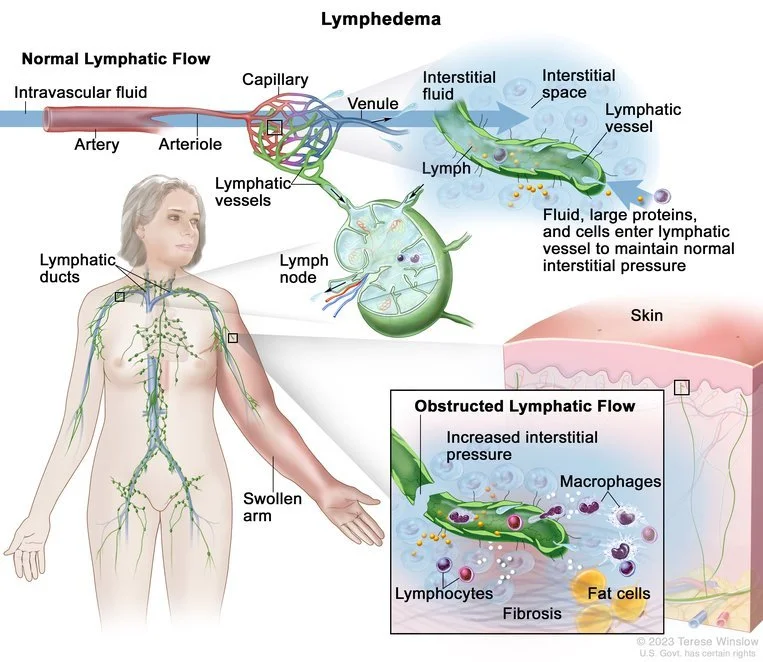
What is lymphedema?
Lymphedema is a chronic condition characterized by swelling in one or more parts of the body, typically in the arms or legs, due to a buildup of lymph fluid. This occurs when the lymphatic system, which helps regulate fluid balance and immune function, is damaged or impaired. Lymphedema can develop for various reasons, including surgery, radiation therapy, infection, or inherited conditions. Although there is no cure, effective management strategies can help reduce swelling and improve quality of life.
Primary vs. Secondary Lymphedema
Lymphedema is classified into two main types: primary lymphedema and secondary lymphedema.
Primary Lymphedema:
A rare, inherited condition caused by developmental abnormalities in the lymphatic system.
It may present at birth, during puberty, or later in adulthood.
Conditions such as Milroy’s disease and Meige’s disease are examples of primary lymphedema. More information can be found on the National Organization for Rare Disorders (NORD).
Secondary Lymphedema:
Acquired due to damage or obstruction of the lymphatic system.
Common causes include cancer treatments (such as lymph node removal and radiation therapy), infections, trauma, or chronic venous insufficiency.
This type is more common than primary lymphedema and often occurs after cancer surgeries, particularly breast cancer treatment. Visit the National Lymphedema Network for additional resources.


Signs and Symptoms of Lymphedema
Recognizing the early signs of lymphedema is crucial for effective management. Symptoms may include:
Swelling: Noticeable swelling in the arms, legs, fingers, or toes, which may develop gradually over time.
Tightness or Heaviness: A feeling of tightness, heaviness, or fullness in the affected limb.
Reduced Range of Motion: Stiffness and decreased flexibility in the affected area.
Skin Changes: The skin may become thicker, hard, or develop a leathery texture.
Recurring Infections: Increased susceptibility to infections such as cellulitis in the affected limb.
Pitting Edema: In early stages, pressing on the swollen area may leave an indentation.
Discomfort or Aching: Persistent discomfort, aching, or tingling sensations in the affected limb.
Early detection and intervention can help prevent complications and improve long-term outcomes. If you suspect you may have lymphedema, consulting a healthcare professional for diagnosis and treatment options is essential.
FAQs
-
Primary lymphedema is rare, affecting 1 in 100,000 individuals. Secondary lymphedema is the most common cause of the disease and affects approximately 1 in 1000 Americans.
-
Lymphedema and lipedema are both conditions that involve abnormal swelling, but they stem from different causes and present with distinct characteristics.
Lymphedema occurs when there is a dysfunction in the lymphatic system, which is responsible for draining lymph fluid from tissues. When this system becomes blocked or impaired, lymph fluid builds up in the affected area, typically the limbs, leading to swelling. This condition may arise from congenital defects, surgery (such as lymph node removal), radiation, or infections that damage the lymphatic vessels. Lymphedema can affect one or both limbs, and if left untreated, the swelling can worsen and cause skin changes, infections, and fibrosis (thickening of the tissue).
Lipedema, in contrast, is a chronic condition primarily affecting women, characterized by an abnormal accumulation of fat, usually in the lower extremities, such as the thighs and calves, and sometimes the upper arms. The exact cause of lipedema is not well understood, but it is believed to have a genetic component, and hormonal factors may play a role, as it often develops or worsens during puberty, pregnancy, or menopause. Unlike lymphedema, lipedema does not involve lymphatic fluid buildup, but instead, the body accumulates disproportionate amounts of fat that are resistant to diet and exercise. This fat tends to be tender to the touch, and affected areas may feel nodular or uneven. The swelling in lipedema typically affects the lower half of the body, sparing the feet and hands, which helps distinguish it from lymphedema.
A major difference between the two conditions is the response to treatment. In lymphedema, managing the condition often involves therapies aimed at improving lymphatic flow, such as compression garments, manual lymphatic drainage (MLD), and in some cases, surgery or the use of pneumatic pumps. In contrast, lipedema treatment focuses on managing symptoms through fat-reduction strategies, such as liposuction or weight management, and non-invasive techniques like compression therapy to reduce swelling and alleviate pain. While there is no cure for either condition, early diagnosis and treatment can help manage symptoms and prevent progression. It is important to differentiate the two conditions because they require different approaches to care and treatment. Both lymphedema and lipedema are chronic and progressive conditions that can significantly impact quality of life, but with appropriate intervention, symptoms can be managed effectively.
-
Currently, there is no cure for lymphedema. However, with proper management, individuals can control swelling and prevent complications.
-
Risk factors include cancer treatments involving lymph node removal or radiation, infections, obesity, and certain genetic conditions. While it may not always be preventable, early detection and proactive management strategies can reduce the risk or severity of lymphedema.
-
Maintaining a healthy weight, engaging in regular exercise, practicing good skin care, and avoiding injuries or infections in the affected area are beneficial.
-
Yes, exercise is generally safe and can be beneficial for individuals with lymphedema. It's important to consult with a healthcare provider to develop an appropriate exercise plan.
-
Lymphedema and chronic venous insufficiency (CVI) are closely related because both involve fluid buildup and impaired circulation in the lower extremities. CVI occurs when veins struggle to return blood to the heart, leading to increased pressure and fluid leakage into surrounding tissues. Over time, this can overwhelm the lymphatic system, which is responsible for draining excess fluid, leading to a condition called phlebolymphedema—a combination of venous and lymphatic dysfunction.
Comorbid conditions like heart failure, kidney disease, and obesity can further exacerbate swelling by increasing overall fluid retention or placing additional strain on both the venous and lymphatic systems. Proper management often requires a combination of treatments, including compression therapy, lifestyle modifications, and medical interventions tailored to the underlying conditions.